1. High Success Rate in Fire Suppression
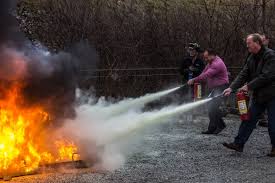
Fire extinguishers are incredibly effective tools for stopping fires before they escalate. A recent survey revealed that portable fire extinguishers have a 93% success rate in stopping small fires. This is a significant improvement from the 80% success rate reported in 2003, demonstrating how advancements in fire safety have made these tools even more reliable (Chubb Fire & Security; Security World Market).
- Why It Matters: The sooner a fire is contained, the lower the risk of it spreading and causing severe damage. Having accessible, well-maintained extinguishers increases your chances of controlling a fire early, potentially saving your business from ruin.
- Action Step: Ensure all employees know where extinguishers are located and provide basic training on how to use them.
2. Training Gaps Despite High Effectiveness
Even with fire extinguishers’ high success rate, there’s a surprising lack of training among users. Studies show that only 52% of people who have access to fire extinguishers in commercial and residential settings have received formal training on how to use them (Security World Market). This lack of training doesn’t just limit the effectiveness of extinguishers; it also puts businesses at risk. Without knowing how to operate one properly, people may hesitate or make mistakes in an emergency.
- Why It Matters: An extinguisher is only as effective as the person using it. Investing in training can bridge this gap, helping employees feel confident and capable during emergencies.
- Action Step: Schedule periodic fire safety training sessions to ensure that employees are familiar with using fire extinguishers and understand basic fire safety procedures.
3. Economic Impact: Cost Savings and Reduced Losses
The economic benefits of fire extinguishers go beyond just protecting property—they have a broad impact on cost savings related to fire incidents. In the UK alone, fire extinguishers are estimated to save £8.6 million annually by reducing the demand on fire and rescue services and preventing property damage. When accounting for the broader economic impact, extinguishers help save the economy over £840 million each year (Chubb Fire & Security; Online Safety Depot).
- Why It Matters: Fires can lead to extensive costs beyond immediate property damage, including lost inventory, disruption of operations, and potential increases in insurance premiums. Fire extinguishers help mitigate these costs, making them a smart financial investment.
- Action Step: Treat fire extinguishers as an asset that safeguards both property and the financial health of your business. Ensure they’re properly maintained to maximize their value.
4. Common Oversight in Monthly Inspections
Monthly inspections of fire extinguishers are essential but often overlooked. These quick, simple checks can identify issues like missing pins, broken seals, or obstructed access that may render an extinguisher useless during an emergency. Unfortunately, around 25% of businesses do not consistently perform monthly checks (American Fire Protection Group). This oversight can leave companies vulnerable to equipment failure when they need it most.
- Why It Matters: Regular monthly inspections are easy but crucial. Skipping these checks increases the likelihood that an extinguisher may not function when needed, putting lives and property at risk.
- Action Step: Designate an employee to conduct monthly visual checks on each extinguisher, ensuring they’re accessible, charged, and free from visible damage.
5. Long Lifespan but Regular Maintenance Needed
Fire extinguishers can last 5 to 15 years with proper maintenance. However, routine checks, especially hydrostatic testing every 5 to 12 years, are essential to ensure longevity and safety. Approximately 10% of extinguishers fail hydrostatic testing due to wear and tear (American Fire Protection Group; Facts.net). Without this testing, an extinguisher may not withstand the pressure needed to perform, making it unreliable in an emergency.
- Why It Matters: While fire extinguishers are designed for durability, they can’t be forgotten once they’re installed. Regular maintenance ensures they’ll work when needed and extends their useful life.
- Action Step: Track maintenance schedules and testing requirements for each extinguisher to ensure compliance with NFPA standards and guarantee they’re ready to perform.
Conclusion: A Small Investment for Huge Returns in Safety
Mark’s experience at his shop highlights how fire extinguishers can be the first line of defense in a fire emergency. These five reasons make it clear: fire extinguishers are indispensable assets that provide safety, reduce costs, and protect the financial health of your business. By maintaining, inspecting, and training employees on using fire extinguishers, you’re not only meeting fire code requirements but also investing in peace of mind and security.
Don’t wait for a wake-up call to recognize the value of fire extinguishers. Equip your business with the tools and knowledge needed to stay safe, and make fire safety a top priority today.


