

The Importance of Recharging
Knowing when to recharge a fire extinguisher is crucial for maintaining its effectiveness. They need to be recharged after each use, even if they aren’t empty in order to ensure there will be enough pressure or liquid to properly be ready for another emergency.
Thank you for reading this post, don’t forget to subscribe!
Routine recharging of extinguishers is also necessary throughout their lifespan. This typically occurs every six years from the manufacture date. Fire extinguishers should be recharged by a certified and licensed fire protection company. Call 1 Life Fire Safety today for a free quote on fire extinguisher recharging labor.
Fire Extinguisher Recharging Services We Provide:
- Dry Chemical
- Carbon Dioxide Fire Extinguishers
- Pressured Water Fire Extinguishers
- Class K
- Wet Chemical
- Halotron
- Water Mist
- ABC Multipurpose
Our Services Related to Fire Extinguisher Recharging

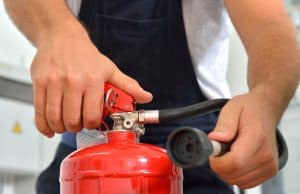

What is the difference between refilling and recharging a fire extinguisher?
Refilling a fire extinguisher refers to the process of filling it with the appropriate extinguishing agent after it has been discharged, whereas recharging involves both refilling and conducting a thorough inspection, maintenance, and testing of the extinguisher to ensure it is fully functional.
Refilling is a straightforward procedure that replenishes the extinguishing agent, while recharging encompasses a more comprehensive service to ensure the extinguisher is in proper working condition.
Fire Extinguisher Recharging Indicators
- Low Pressure: If the pressure gauge on the fire extinguisher indicates a low pressure reading or falls outside the recommended range, it needs to be recharged.
- Damaged or Expired Seal: A broken or tampered seal suggests that the fire extinguisher may have been used or compromised, requiring a recharge.
- Visual Inspection: Regularly inspect the fire extinguisher for physical damage, such as dents, rust, or leakage. If any are detected, recharge is necessary.
- Weight Check: Fire extinguishers typically have a designated weight, and if it feels lighter than it should, it likely needs to be recharged.
Fire Extinguisher Recharging Schedule:
- Monthly Check: Inspect the pressure gauge, seal, and overall condition of the fire extinguisher.
- Annual Professional Inspection: Have a professional assess the fire extinguisher’s condition, recharge if necessary, and ensure it meets safety standards.
- Hydrostatic Testing: Certain types of fire extinguishers require hydrostatic testing every few years to validate their structural integrity.
Remember, it is essential to familiarize yourself with the manufacturer’s guidelines and consult experts for specific requirements regarding your fire extinguisher. Regular maintenance and prompt recharging will ensure the readiness of your fire extinguisher in case of emergencies.
Additional FAQs on Fire Extinguisher Recharging
How often do fire extinguishers need to be recharged?
Fire extinguisher manufacturers provide specific guidelines regarding the recommended frequency of recharging. It is essential to refer to the manufacturer’s instructions and follow their recommendations for recharging intervals. These guidelines are typically based on factors such as the extinguisher type, agent, and the specific environment in which it is used.
Regular inspection and testing of fire extinguishers are also crucial to ensure their readiness. Trained professionals should conduct inspections to check for any signs of damage, leakage, or malfunction. These inspections help identify any issues that may require immediate recharging or replacement.
Apart from the manufacturer’s recommendations, several additional factors may influence the recharging frequency of fire extinguishers. These factors include the extinguisher’s age, exposure to harsh environments, potential usage during false alarms, and any previous discharge or partial usage.
Fire extinguisher recharging is a critical aspect of ensuring the readiness and effectiveness of these life-saving devices. Regular maintenance, following manufacturer recommendations, and conducting inspections are essential for keeping fire extinguishers in optimal condition. By adhering to these practices, individuals can have confidence in the reliability of their fire extinguishers during emergencies.
How do I do a fire extinguisher recharging?
It is generally recommended to hire a licensed and trusted fire protection company to do the fire extinguisher recharging for you. It could be dangerous otherwise, if done correctly.
Steps to Recharge a Fire Extinguisher
- Assess the fire extinguisher’s condition
- Gather necessary materials and equipment
- Depressurize the extinguisher
- Remove the valve assembly
- Empty the extinguisher contents
- Inspect and clean the internal components
- Refill with the appropriate fire extinguisher agent
- Reassemble the valve assembly
- Pressurize the extinguisher
- Perform a leak test
- Reinstall the safety pin and tamper seal
- Label and document the recharge
Safety Precautions
- We use proper personal protective equipment (PPE)
- We follow manufacturer’s instructions and recommendations
- We work in a well-ventilated area
- Beware of potential hazards during the recharge process